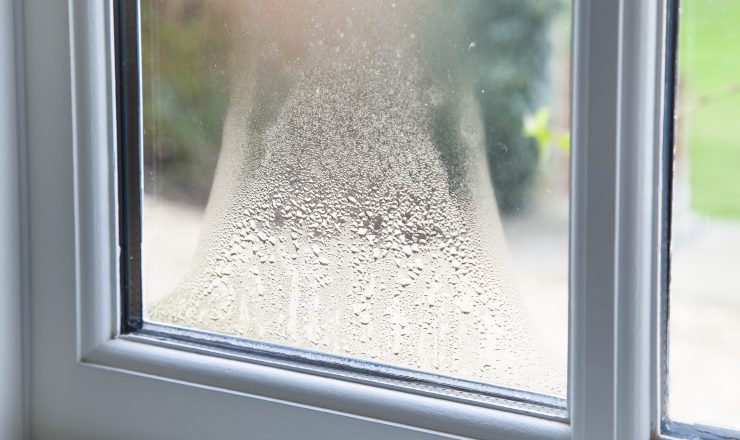
Understanding Condensation in Windows: Causes, Effects, and Solutions
Condensation on windows is a common phenomenon experienced in lots of homes and structures. This occurrence can cause numerous issues, including water damage, mold growth, and weakening window frames. Understanding the causes of condensation and how to manage it is important for keeping healthy indoor air quality and lengthening the life expectancy of windows. This short article looks into the science behind condensation, its impacts, and efficient methods for avoidance and management.
What is Condensation?
Condensation occurs when water vapor in the air cools and becomes liquid water. This procedure is affected by temperature and humidity levels in the environment. When warm air, which can hold more moisture, enters into contact with a cooler surface area (like a window glass), it cools off. If the air's temperature drops below its dew point, the moisture condenses on the glass, forming beads of water.
Table: Key Factors Contributing to Window Condensation
| Element | Description |
|---|---|
| Temperature level | Cooler surfaces cause increased condensation. |
| Humidity | Higher indoor humidity levels increase moisture capacity. |
| Air Circulation | Poor circulation can cause localized locations of cool air. |
| Window Type | Double or triple-glazed windows are less vulnerable to condensation. |
| Weather condition Conditions | External weather condition influences indoor temperature and humidity. |
Causes of Condensation in Windows
Numerous elements add to condensation forming on windows. The main causes include:
- High Indoor Humidity: Cooking, bathing, drying clothes, and even breathing add to indoor humidity levels. Extreme moisture in little, badly ventilated spaces is a prime condition for condensation.
- Temperature level Difference: When warm air inside a room meets the cold surface area of a window, condensation can occur. Foggy Window Restoration is particularly apparent throughout winter season when indoor temperature levels may be substantially warmer than outdoor temperature levels.
- Air Tightness: Modern homes are often developed with a focus on energy efficiency, causing tight building and construction. While this prevents heat loss, it likewise limits airflow and can trigger moisture to build up inside.
- Insulating Properties of Windows: Older single-pane windows are especially susceptible to condensation due to the fact that they lack the insulating properties of modern-day double or triple-glazed windows. This can make them cold adequate to promote condensation throughout cooler months.
Diagram: How Condensation Forms on Windows
- Warm, damp air increases in the space.
- The warm air cools as it meets the cold glass.
- Humidity condenses into small droplets of water on the surface area of the glass.
Effects of Window Condensation
While condensation is a natural procedure, it can have harmful impacts if not managed effectively. Some of these effects consist of:
- Mold Growth: Persistent moisture can cause mold, which can negatively affect health and necessitate pricey remediation.
- Damage to Window Frames: Wood window frames can warp or rot due to extended exposure to moisture.
- Peeling Paint and Wallpaper: Excess moisture can compromise paint and wallpaper, causing peeling and deterioration.
- Decreased Visibility: Condensation can hinder exposure through windows, interfering with the looks of an area.
Managing and Preventing Window Condensation
Handling condensation requires a multi-faceted approach. Here are several strategies to decrease its occurrence:
1. Control Indoor Humidity
- Usage Exhaust Fans: Installing exhaust fans in bathroom and kitchens can help remove excess moisture.
- Dehumidifiers: Using a dehumidifier can significantly minimize humidity levels, specifically in locations vulnerable to moisture.
- Houseplants: Limit the number of houseplants, as they launch moisture into the air.
2. Enhance Air Circulation
- Open Windows: Occasionally opening windows can assist promote much better air flow and lower moisture build-up.
- Use Ceiling Fans: Ceiling fans can help flow air and keep constant temperature level throughout a room.
3. Update Windows
- Set Up Double or Triple-Glazed Windows: These types of windows provide better insulation, minimizing the temperature difference between the outside and inside surfaces.
- Apply Window Treatments: Insulating window film or thermal curtains can help preserve indoor temperature level.
4. Insulation
- Insulate Walls and Attics: Proper insulation of walls and attics can help keep a more steady indoor temperature, decreasing the occurrence of condensation.
Table: Prevention Strategies for Window Condensation
| Technique | Description |
|---|---|
| Humidity Control | Use exhaust fans, dehumidifiers, and limitation houseplants. |
| Air Circulation | Open windows and utilize ceiling fans to improve airflow. |
| Window Upgrade | Think about installing double or triple-glazed windows. |
| Insulation | Make sure appropriate insulation in walls and attics. |
Condensation on windows is a natural occurrence that can position substantial challenges if not dealt with effectively. By comprehending its causes and effects and implementing proactive strategies, property owners can lessen the threats related to window condensation. Keeping appropriate humidity levels, improving air flow, updating windows, and ensuring proper insulation are all vital jobs in protecting not just the health of indoor environments however also the longevity of windows.
FAQs About Window Condensation
Q1: Is condensation on windows an indication of a serious problem?A: Not always. Condensation can happen for various factors, however consistent moisture can cause larger concerns like mold, so it's essential to handle it successfully. Q2: How can I inform if my windows are the reason for indoor humidity?A: If
condensation kinds mainly on your windows and no other surfaces, it's
often an indicator that your windows are considerably colder than the air inside your home. Q3: Will opening windows in winter season help in reducing condensation?A: Yes, opening windows occasionally can assist permit wet air to leave, reducing the overall humidity levels in the home. In conclusion, while condensation on windows can be a frustrating concern for property owners, understanding the science behind it allows better management and prevention strategies. By adopting thoughtful practices, individuals can create a more comfortable living environment while likewise securing their homes.